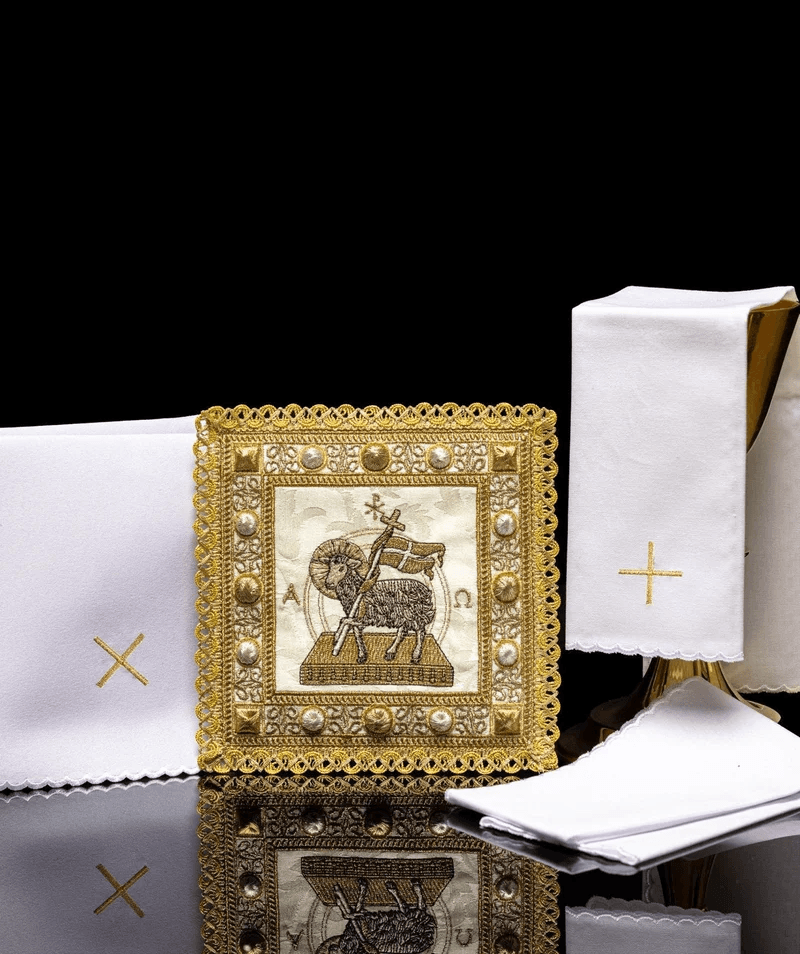

The liturgical vestments worn by clergy are more than just garments; they are powerful visual symbols that enrich the sacred rites and convey profound theological meaning. Among these vestments, the stole holds particular significance, representing the yoke of Christ and the priestly authority bestowed upon those who minister.
For solemn occasions like Maundy Thursday and Good Friday, the choice of stole becomes a deliberate act of expressing reverence, humility, and devotion. This exploration delves into the significance of stoles for these two pivotal days in the Christian calendar, highlighting how their design and material can enhance the solemnity and spiritual depth of the liturgy.
The Significance of the Stole in Liturgy
The stole, a long strip of cloth worn around the neck and hanging down the front, is a distinctive mark of ordained ministry. Its origins are traced back to the Roman pallium, a symbol of office.
In Christian tradition, it represents the yoke of Christ, signifying the burden of service and the commitment to following His teachings. The stole is worn for all liturgical functions, underscoring the continuous nature of the priest’s ministry. Its presence is a constant reminder of the divine authority and responsibility entrusted to the clergy.
Maundy Thursday: A Celebration of Institution and Sacrifice
Maundy Thursday, also known as Holy Thursday, commemorates the Last Supper, the institution of the Eucharist, and the commandment of love given by Christ to His disciples. The liturgy of this day is rich with symbolism, including the Washing of the Feet (Mandatum) and the re-enactment of the Last Supper. The choice of vestments for Maundy Thursday often reflects the solemnity and the dual themes of Christ’s sacrifice and the institution of the priesthood and the Eucharist.
The Colors of Maundy Thursday
Traditionally, the liturgical color for Maundy Thursday is white or gold. These colors symbolize purity, joy, and the divine glory of Christ, particularly in relation to the institution of the Eucharist.
A white or gold stole can therefore be an appropriate choice, signifying the holiness of the events being commemorated. The radiance of these colors can evoke the divine presence and the profound mystery of Christ’s sacrifice that is central to the day’s liturgy. The elegance of a well-crafted stole in these colors can add a layer of spiritual beauty to the solemn celebration.
Material and Design Considerations
For Maundy Thursday, stoles crafted from fine fabrics such as silk, damask, or brocade are often preferred. These materials lend a sense of richness and dignity to the vestment, befitting the importance of the day.
Embroidery, if present, might feature symbols of the Eucharist, such as wheat, grapes, or the IHS monogram, rendered in gold or silver thread. The design should convey a sense of reverence and celebration, acknowledging the institution of the sacrament. The elegance of the stole should complement, rather than overshadow, the profound spiritual significance of the liturgy.
Good Friday: A Day of Solemn Mourning and Penance
Good Friday is the most solemn day of the Christian year, commemorating the crucifixion and death of Jesus Christ. The liturgy of Good Friday is characterized by its starkness, penitential tone, and deep reflection on Christ’s suffering and sacrifice. The focus is on the Cross, the symbol of redemption and the ultimate act of love. The vestments worn on this day must reflect this somber and penitential atmosphere.
The Colors of Good Friday
The liturgical color for Good Friday is universally red. Red symbolizes the blood of Christ shed for the sins of humanity and the passion He endured. It is a color of sacrifice, martyrdom, and divine love. A red stole is therefore essential for the Good Friday liturgy, visually reinforcing the central theme of Christ’s sacrificial death. The intensity of the red hue serves as a potent reminder of the gravity of the events being commemorated.
Material and Design Considerations
While red is the mandatory color, the design and material of the stole can still convey a sense of solemn elegance. Fabrics such as linen, cotton, or simpler weaves might be chosen to emphasize the penitential nature of the day, moving away from the opulence of silks or brocades.
Embroidery, if used, should be subdued and directly related to the Passion. Common symbols include the Cross, the Crown of Thorns, nails, or the wounds of Christ. The design should evoke humility and reverence, focusing on the stark reality of the crucifixion rather than on ostentation. The aim is to create a stole that speaks of sacrifice and deep spiritual reflection.
Beyond Color: The Enduring Power of the Stole
The stole, regardless of the specific occasion, is a constant symbol of priestly identity and service. For Maundy Thursday and Good Friday, however, its role is amplified. The chosen stole becomes a visual sermon, communicating the theological themes of the day to the faithful. Whether it is the radiant white or gold of Maundy Thursday, symbolizing the divine institution of the Eucharist, or the profound red of Good Friday, representing Christ’s sacrificial love, the stole plays an integral part in the spiritual experience of these sacred liturgies.
Clergy often select stoles for these days with great care, seeking vestments that not only adhere to liturgical norms but also help to create an atmosphere of profound reverence, humility, and spiritual contemplation, thereby enhancing the sacred narrative of Christ’s passion and redemption.